When I joined Pelican Autonomy, the company had a small prototype, some early CAD models, and a general idea of what the future aircraft needed to become. What it did not have yet was a production facility or an established process for building a full-scale aircraft.
My job was to help turn that early concept into something that could actually be manufactured.
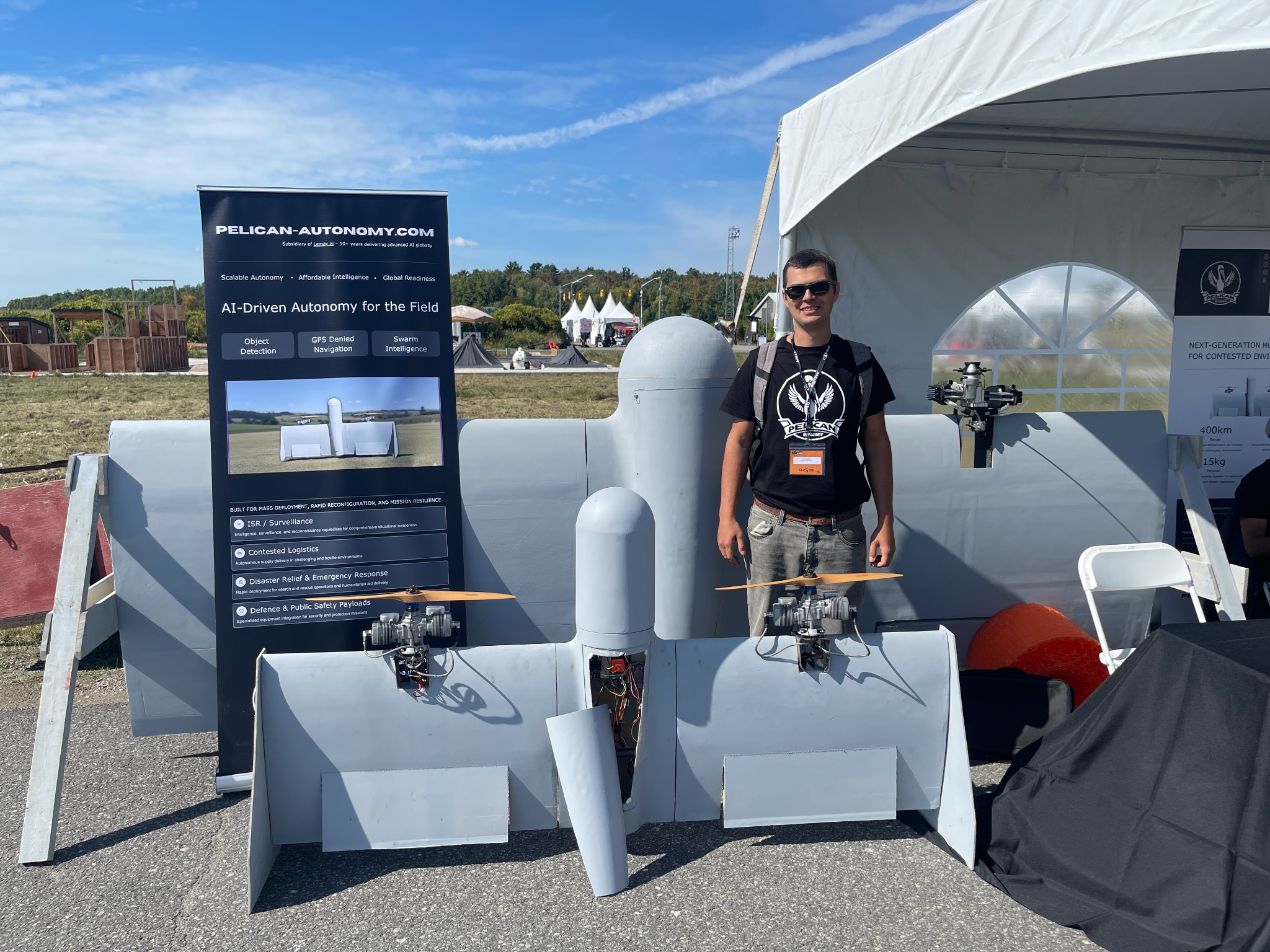
Because the company was still very new, I had to start with the basics. I planned the work, prepared the budget, organized the production space, and selected the minimum equipment and tooling needed to complete the aircraft within four months. I worked largely independently and provided regular updates as the project moved forward.
The existing CAD gave me a starting point, but many of the internal structural and manufacturing details still had to be worked out. I helped develop the internal structure and decided how the composite parts would be tooled, manufactured, assembled, and finished. A lot of those decisions came from practical manufacturing experience and from solving problems directly in the shop.
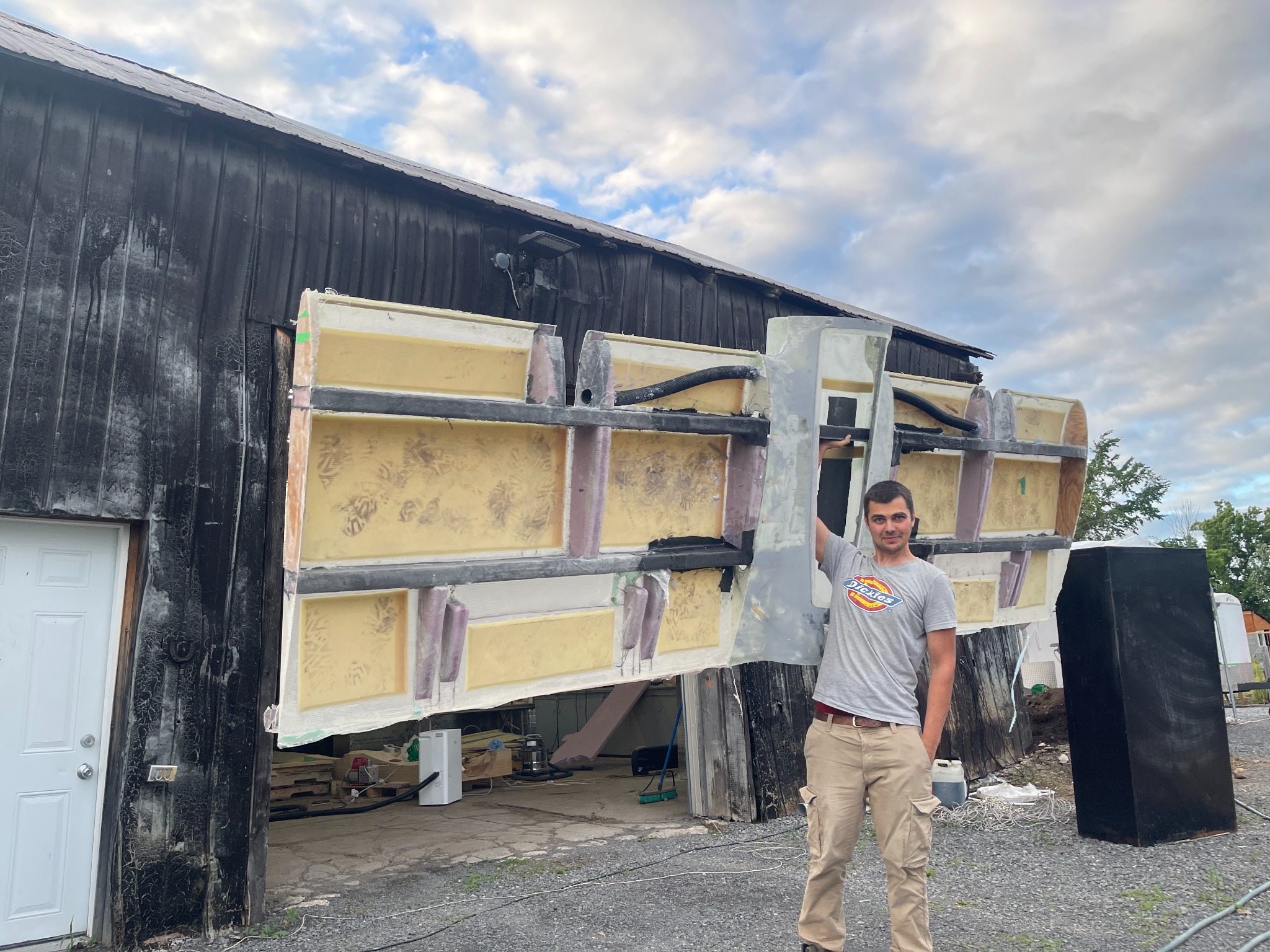
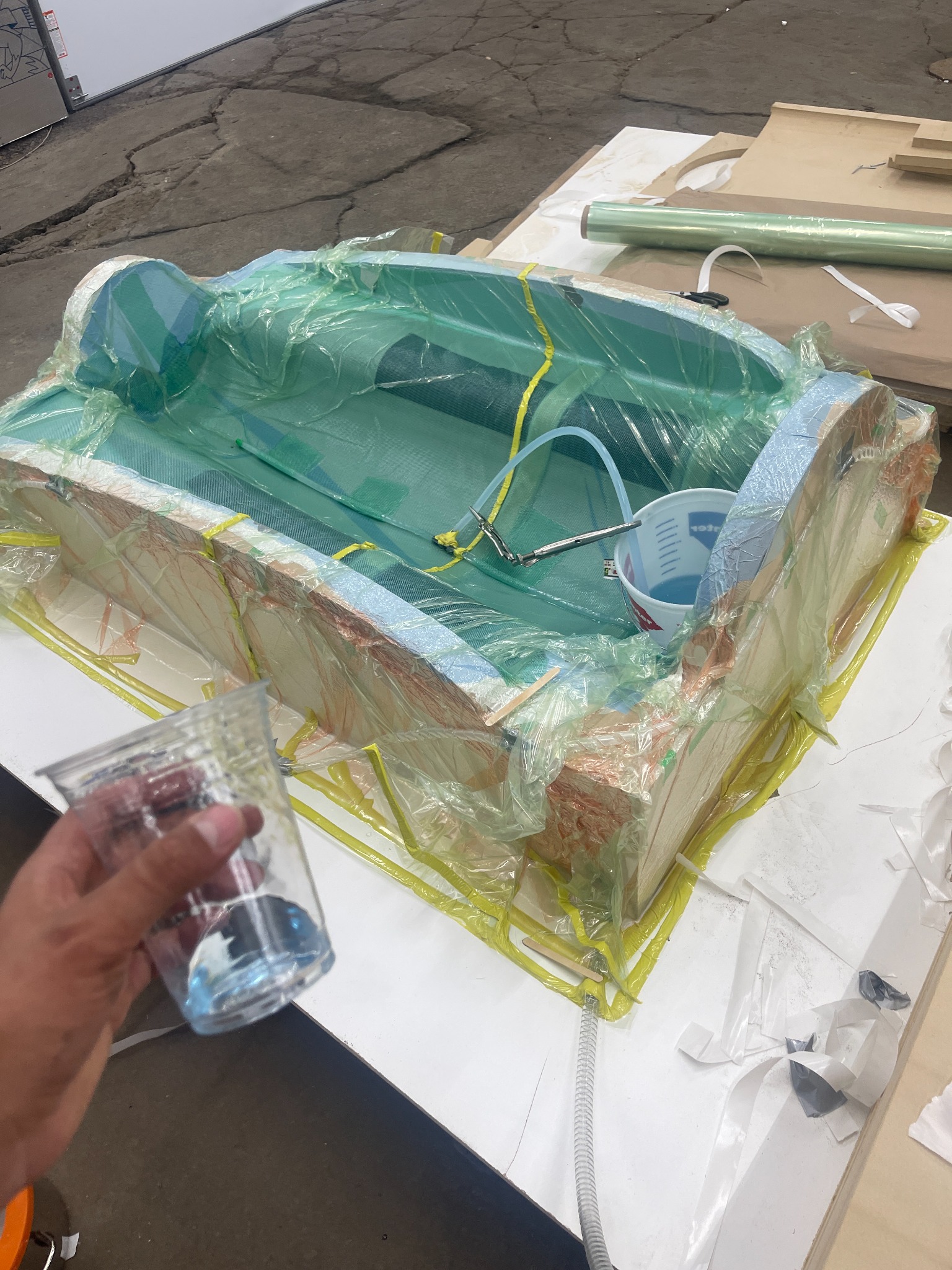
I programmed the machining in Fusion 360 and produced the molds from MDF using CNC machining. For the carbon-fibre parts, I used an experimental process where a high-elongation plastic layer was first vacuum-formed over the mold, followed by a separate vacuum-bagged composite layup. It gave me a relatively simple and affordable way to produce the required parts with the equipment available.
One of the biggest challenges was simply the size of everything. The largest aircraft had a wingspan of about four metres, and the molds and parts were heavy and awkward to move. Since I was working alone, I had to figure out how to handle the parts, solve manufacturing problems, and keep the project moving without having another person in the shop to bounce ideas off.
By the end of the project, I had completed one large four-metre-span UAV, one medium-sized UAV, and ten small dummy aircraft within the required schedule.
What I value most about this project is that I was not just building parts. I had to create the setup, tooling, process, and sequence of work needed to move the company from an early prototype toward full-scale manufacturing. That made the project much broader than a typical fabrication job and taught me a lot about how engineering decisions change once something actually has to be built.