I had wanted to understand financial markets for a long time, but finance always seemed like a completely separate and very complicated field. Eventually, that complexity became the reason I wanted to learn more about it.
I started with regular investing and simple indicators, mostly trying to understand how markets move and why certain ideas seem to work for a while and then stop working. That eventually became the part I found most interesting. The same strategy could behave very differently depending on the market environment, and I wanted to understand why.
That led me toward quantitative finance. Instead of relying only on judgement, I could turn an idea into code, test it on historical data, and compare how it behaved under different conditions.
I started reading research, discussing ideas with other people, and testing different approaches. Trend following became the main direction of the project because I liked the simplicity of the idea and the fact that it could be tested systematically. From there, I gradually built a Python-based asset-allocation engine.
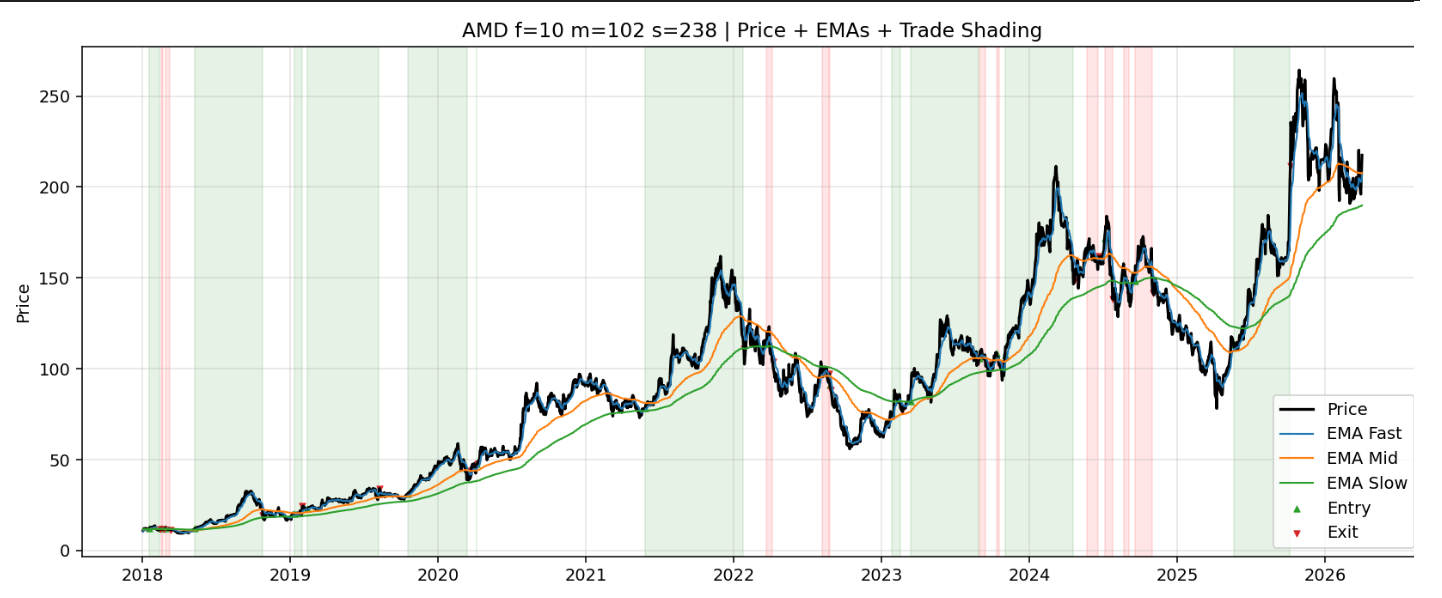
The system looks at broader market trends, ranks assets using momentum, adjusts position sizes based on volatility, applies stop-loss rules, and rebalances the portfolio automatically. The main goal is not to predict every market movement. It is to follow a consistent process and keep risk under control.
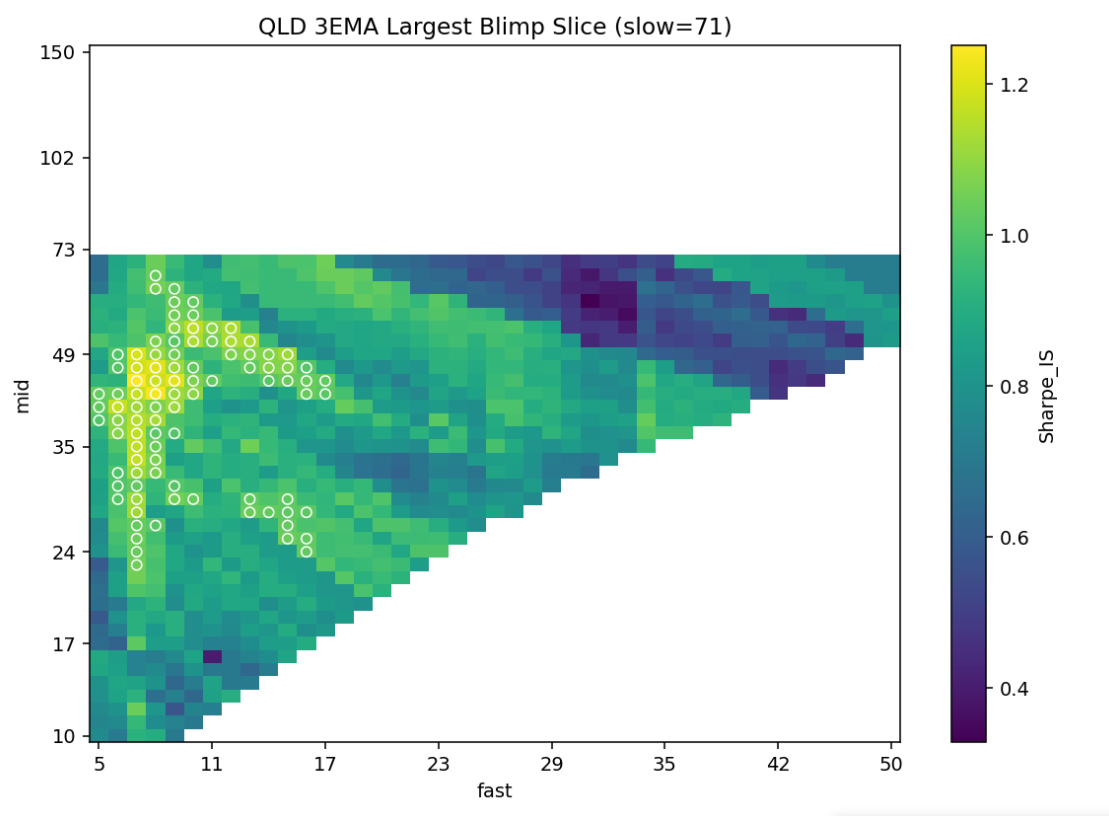
One of the biggest lessons from this project has been how easy it is to overfit a strategy. A backtest can look very good simply because the settings happen to match one period of history. To reduce that problem, I tested ranges of parameters instead of searching only for the single best result. I also developed a neighbour-stability method that looks for areas where nearby parameter values behave in a similar way. The idea is to avoid choosing a setting just because it happened to produce the best historical result.
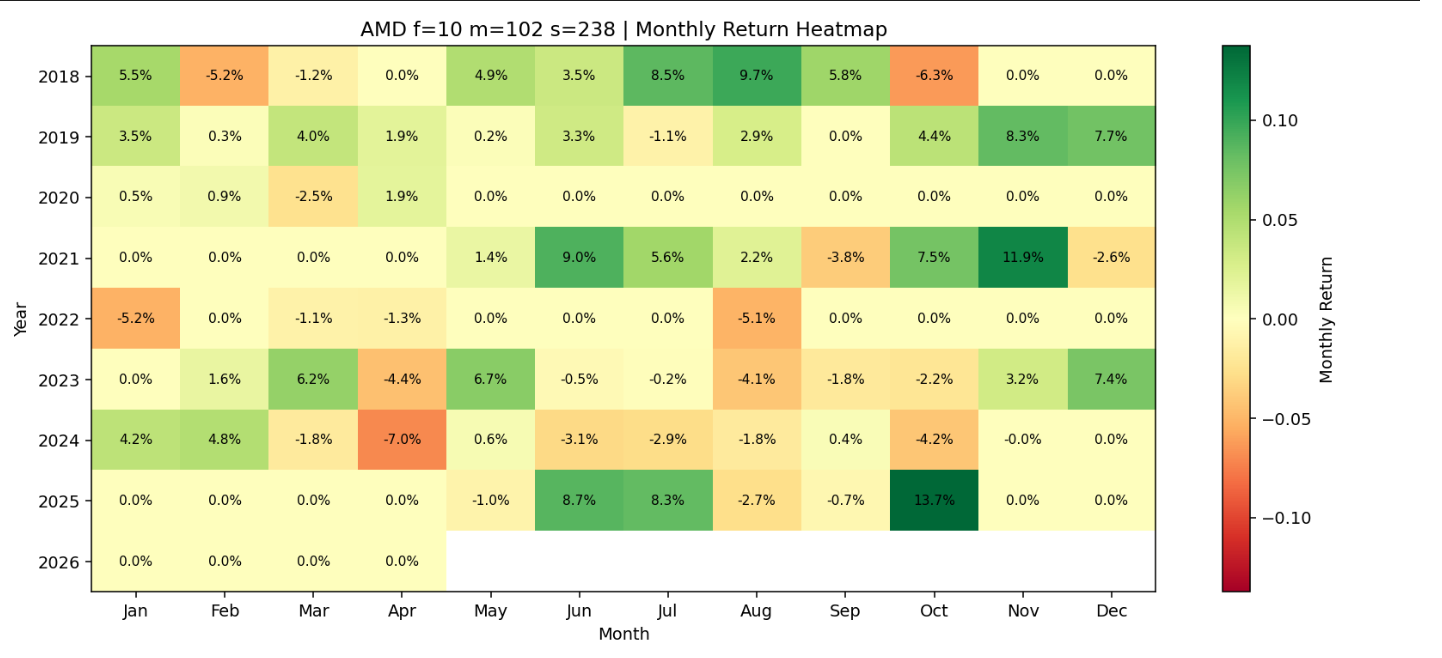
I also started looking at how different market regimes affect the system. The current version is mainly trend-following, while other types of market behaviour, such as mean-reverting conditions, are still areas I want to explore.
The model is now being tested and refined further. I do not see this project as a finished trading system. It is more of an ongoing experiment in how to take a complicated and changing system, break it into smaller parts, test ideas properly, and avoid convincing myself that something works just because a backtest looks good.