This project started during a conversation with a friend about the limited fuel capacity of his floatplane. We were talking about different ways to carry more fuel, and eventually started looking at the unused space between the floats. That led to a different idea: instead of hanging a normal fuel tank there, could the tank itself be shaped like an airfoil and produce some useful lift?
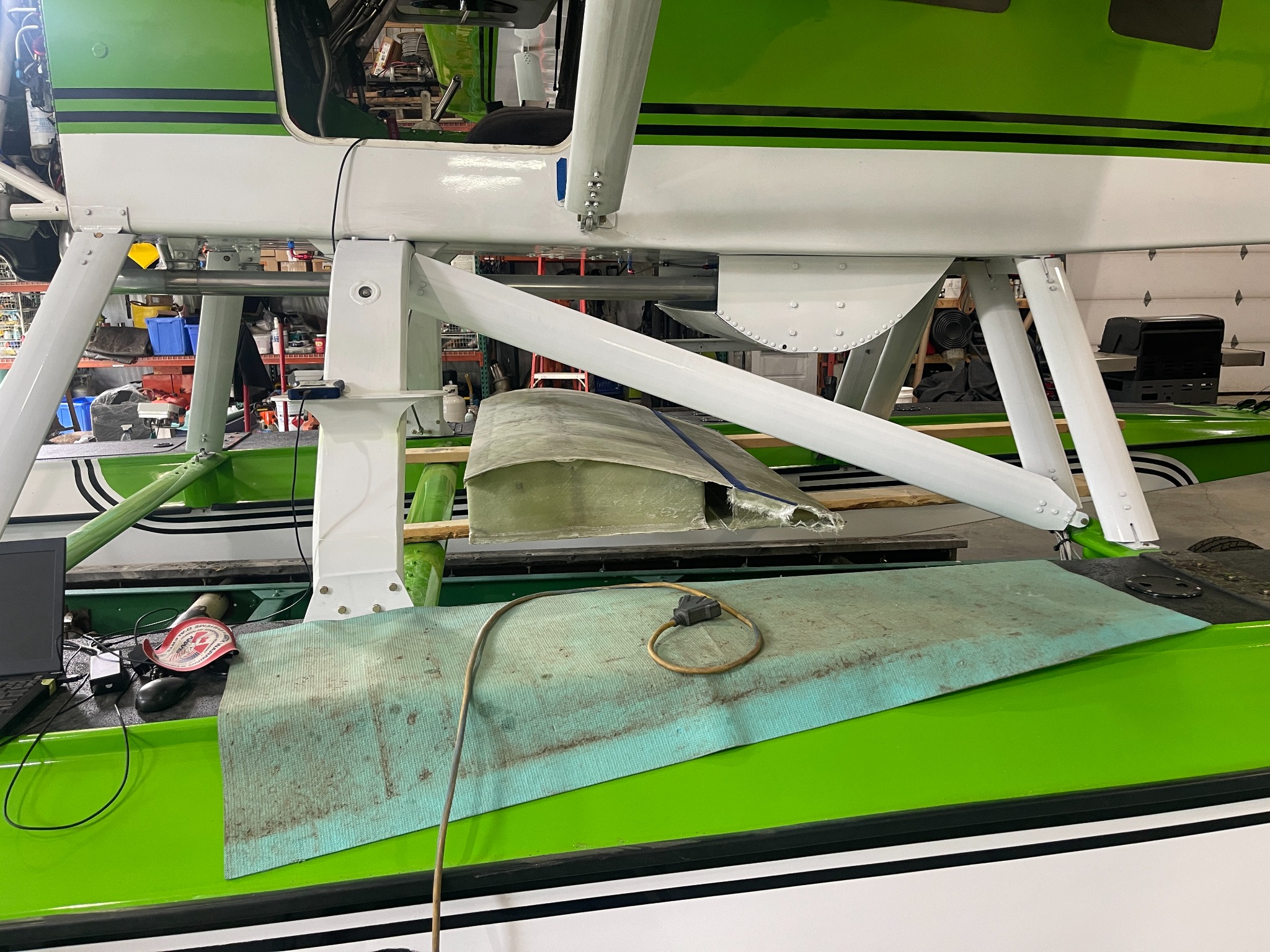
From there, I began developing an airfoil-shaped auxiliary fuel tank designed to carry about 50 gallons of fuel between the floats of a bush aircraft. The idea is to increase fuel capacity while also seeing whether the tank can offset some of its added weight by producing lift. I also added a flap so the lift can be adjusted for different conditions, especially during takeoff.
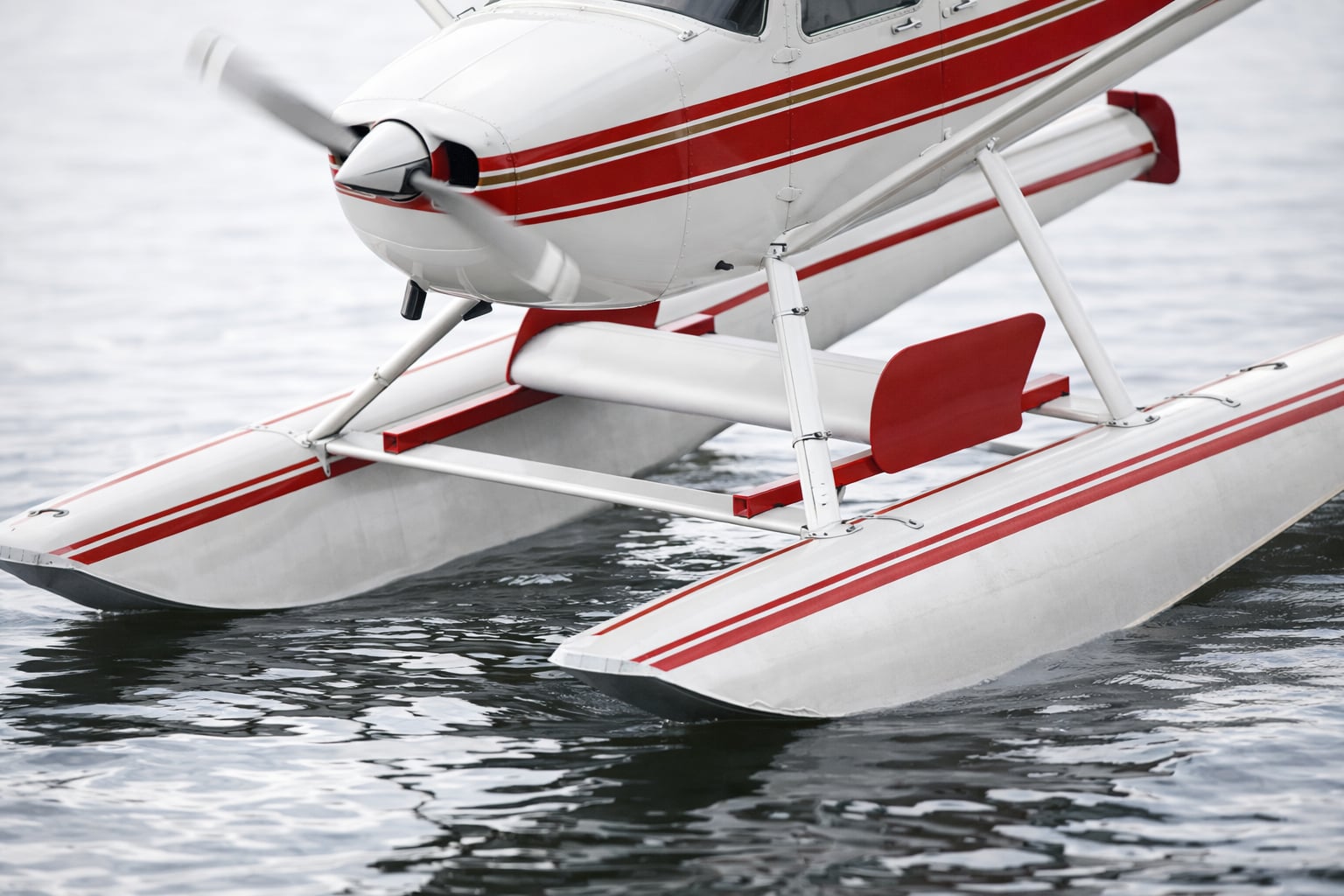
There is also an interesting advantage once the fuel has been used. As the tank becomes lighter, it would still continue to act as a lifting surface. The design will still add drag, so it is not meant to improve cruise efficiency. The idea is more about finding a useful trade-off for bush flying, where extra range and low-speed performance can matter more than having the most efficient configuration.
I am developing the project independently, from the original idea through design and fabrication. The geometry was created in SolidWorks, and I have been using XFLR5 and ANSYS Fluent to study the aerodynamic behaviour. The structural work includes hand calculations and finite-element model preparation in HyperMesh. I also designed the mounting system and the mechanism used to operate the flap.
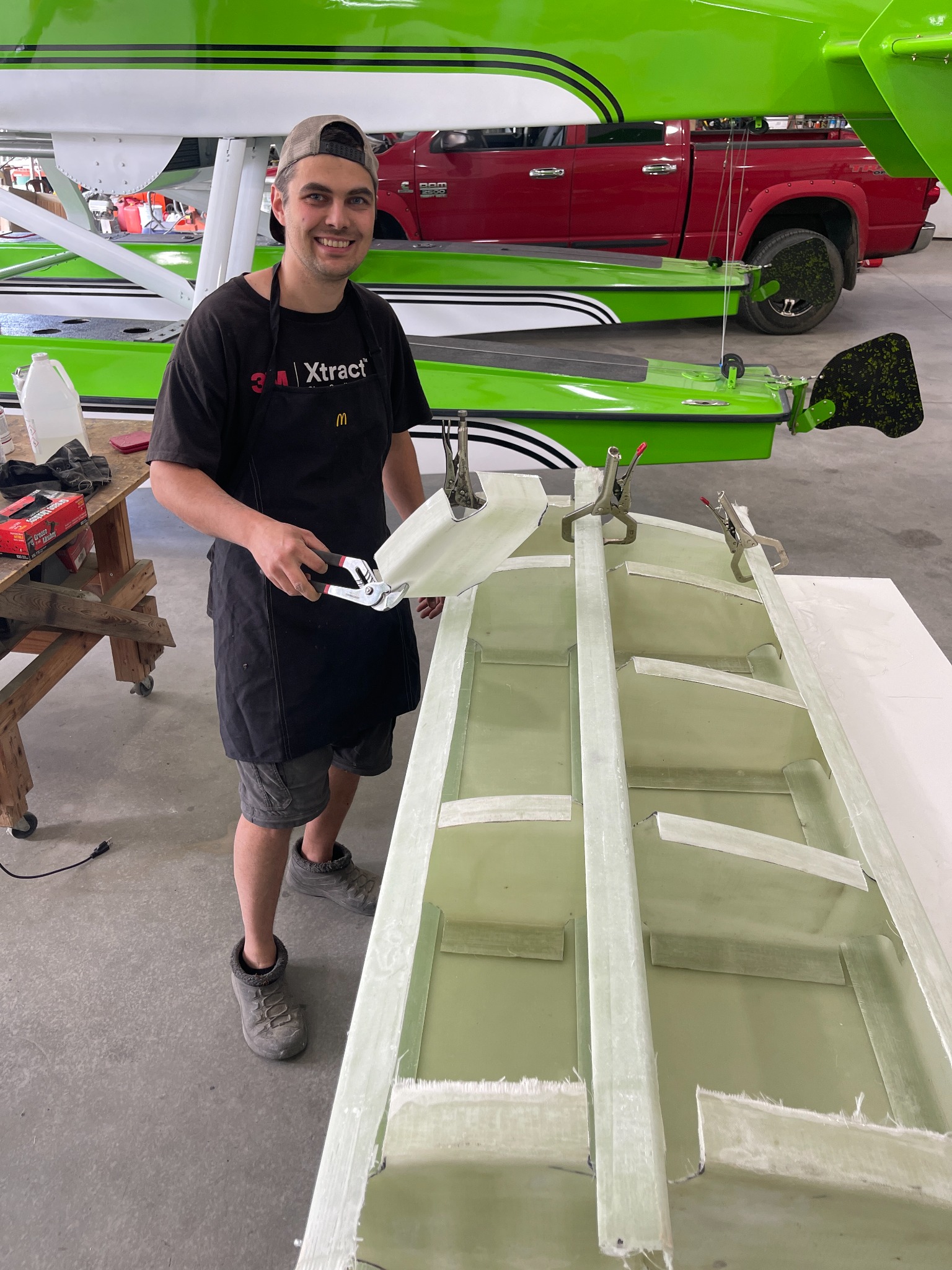
Because the design is still changing, I wanted a manufacturing method that would let me modify the shape without having to build a completely new mold every time. I developed a simpler, lower-cost tooling approach for the composite structure, using internal ribs and hand layup. I am keeping some of the manufacturing details general while I look into possible intellectual-property protection.
The tank structure is now mostly assembled. The next steps are leak testing, fuel-compatibility testing, and static structural testing. I am also working toward the documentation that would eventually be needed for certification and aircraft operating approval.
This project is still very much in development. The aerodynamic benefits, structural performance, and real-world value have not yet been proven through physical or flight testing. For me, the interesting part is taking a fairly simple problem — a pilot wanting more fuel capacity — and seeing whether it can lead to a solution that does more than one job at the same time.